Robin Hood has spent centuries as one of popular culture’s most enduring heroes. He is usually portrayed as a charming outlaw who steals from the rich, helps the poor, and outsmarts corrupt authorities with ease. From classic adventure films to family-friendly adaptations, the character has often represented justice, courage, and rebellion against oppression.
“The Death of Robin Hood,” apparent in the trailer, takes a completely different path. Directed by Michael Sarnoski, the filmmaker behind “Pig” and “A Quiet Place: Day One,” this revisionist drama strips away the familiar mythology and asks a difficult question.
View this post on Instagram A post shared by A24 (@a24)
What if the legendary outlaw was not a hero at all, but a deeply damaged man carrying the weight of a violent life? The result is one of the boldest and most unsettling takes on Robin Hood ever put on screen.
A Robin Hood Haunted by His Past
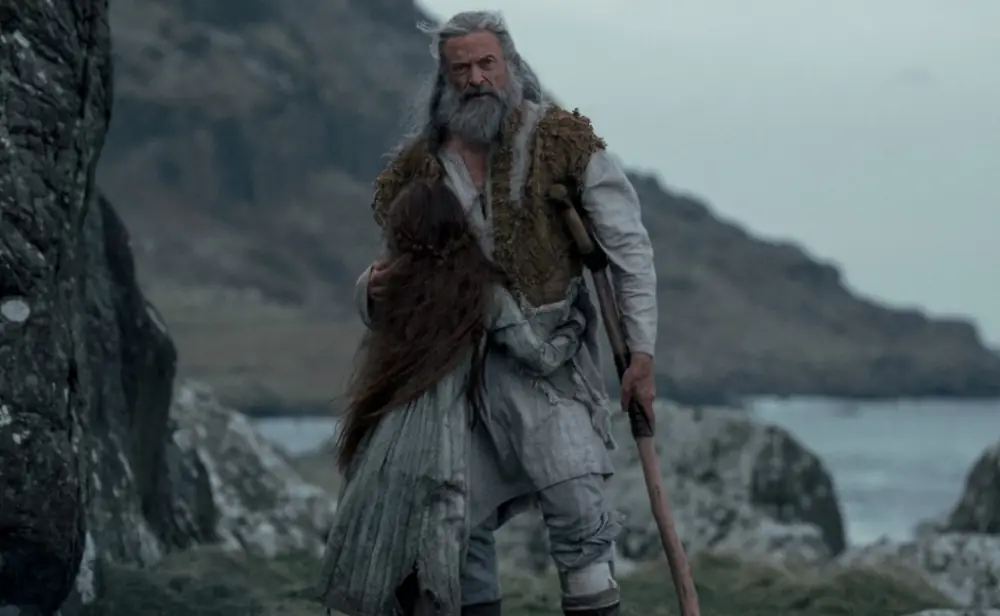
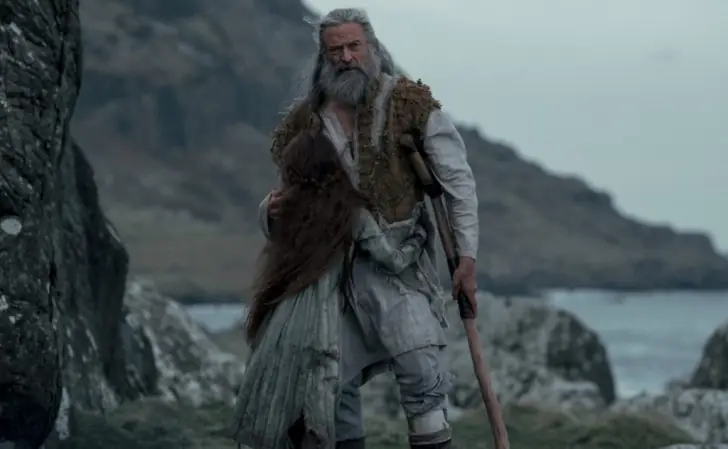
Hugh Jackman’s Robin is old, exhausted, and emotionally scarred. He is no longer a symbol of hope. He is a man struggling to live with his own actions.
The film is set in 1247 A.D., long after Robin’s legendary exploits have faded into stories. Instead of being admired by everyone he meets, he is hunted by the descendants of people he once killed. This choice changes the entire perspective of the story. Violence is no longer exciting or heroic. It becomes something that follows Robin everywhere, refusing to let him escape the consequences of his past.
Jackman’s performance leans heavily into that emotional burden. Critics have compared it to his work in “Logan,” another story about an aging figure confronting years of pain and regret. Like that film, “The Death of Robin Hood” presents a protagonist who feels trapped by the reputation that made him famous.
The Film Challenges the Conventional Robin Hood Myth
One of the most interesting aspects of the film is its willingness to question the legend itself. Popular stories often simplify historical figures into heroes or villains. Robin Hood has usually been presented as an almost flawless champion of justice. This movie argues that reality is rarely that simple.
The story explores the gap between the man and the myth. Robin’s reputation has grown to larger-than-life proportions, but the film suggests that legends are often built on the backs of uncomfortable truths. The heroic stories people tell about him leave out the bloodshed, fear, and suffering that followed his actions. That tension becomes one of the movie’s central themes.
This approach makes the film feel less like an adventure and more like a character study. Rather than celebrating Robin Hood’s accomplishments, it examines the personal cost of becoming a legend. The audience is asked to look beyond the familiar image of the heroic outlaw and consider the human being hidden underneath.
A Brutal Story Focused on Reflection Instead of Glory
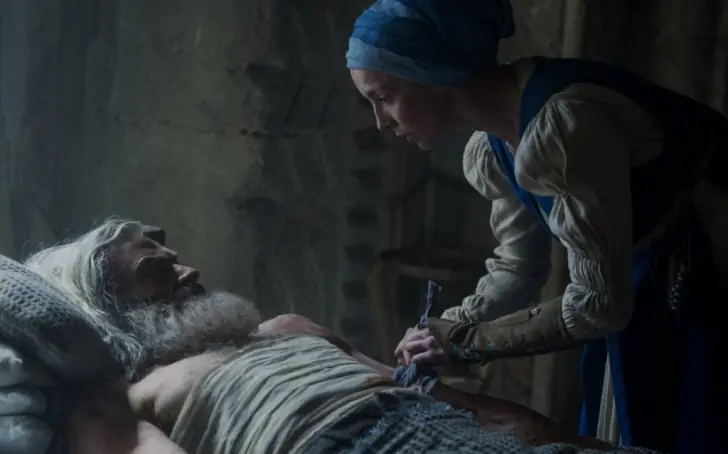
Robin is eventually pulled into one final mission by Little John, played by Bill Skarsgård. What follows leaves him seriously wounded and forces him into a very different environment. He ends up at a remote convent, where much of the film shifts from physical survival to spiritual reflection.
At the convent, Robin meets Sister Brigid, played by Jodie Comer, along with several other troubled individuals. These characters serve as mirrors for Robin’s own struggles. They are people carrying their own scars, both physical and emotional. Their presence creates a quieter and more thoughtful section of the film that contrasts sharply with the brutality of its opening scenes.