
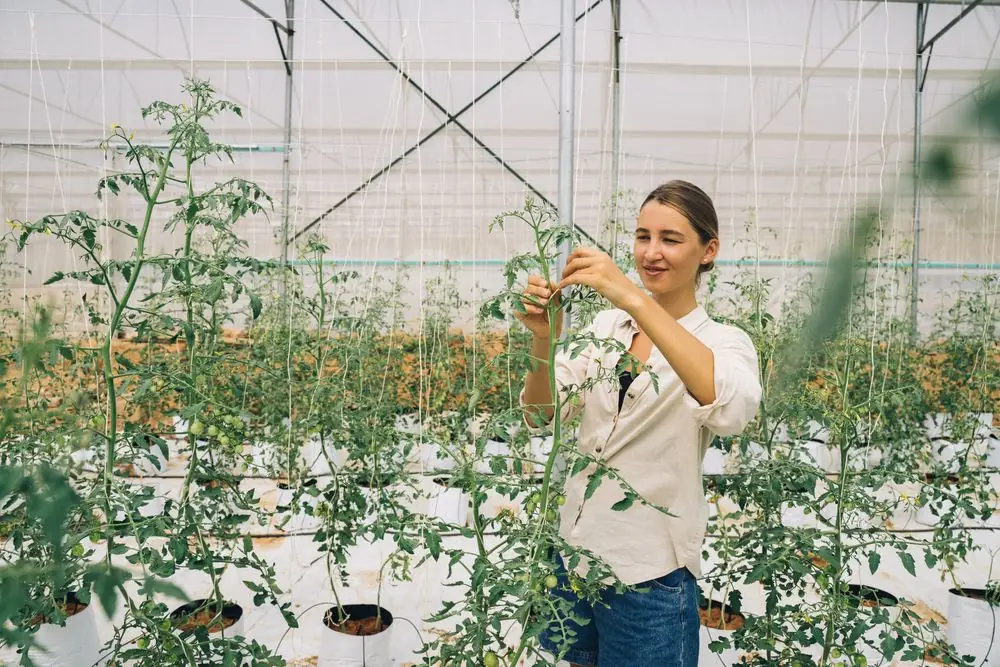
Growing your own food has become much more than a hobby. Across cities, suburbs, and rural communities, more people are turning empty backyard spaces, raised beds, and even balconies into productive gardens.
Many start gardening to save money on groceries. That benefit is certainly real. However, the strongest reasons for growing food at home often have little to do with cost and everything to do with quality, control, and peace of mind.
When you grow your own fruits and vegetables, you gain something that cannot be purchased in a supermarket. You know exactly where your food came from, how it was grown, and what went into producing it. That level of confidence is becoming increasingly valuable as consumers pay closer attention to food production methods and ingredient sourcing.
You Control What Goes Into Your Food
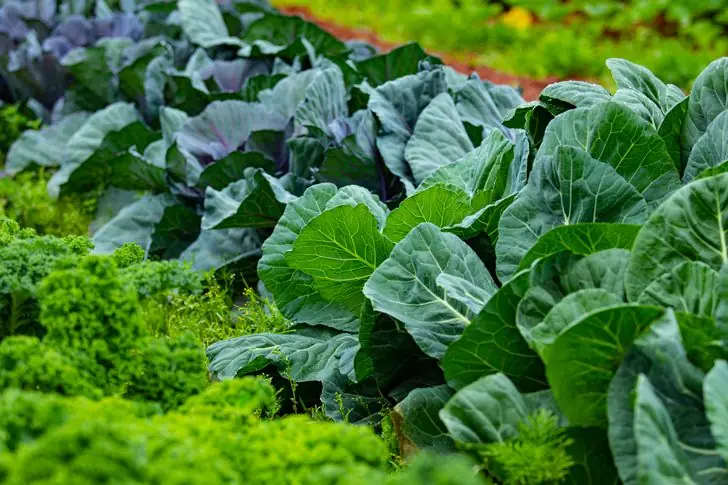
From the moment a seed enters the soil, the decisions belong entirely to you. Commercial farming operations often rely on herbicides, insecticides, and fungicides to protect crops and maximize yields. These products help farmers manage large-scale production, but many consumers remain concerned about chemical residues that may remain on produce.
Growing food at home eliminates much of that uncertainty. Gardeners can choose natural growing methods and avoid synthetic chemicals altogether if they wish. The ability to grow food according to personal standards transforms gardening from a simple pastime into an investment in food quality and confidence.
Freshly Picked Food Delivers Better Nutrition
Most supermarket produce travels a long distance before reaching consumers. Fruits and vegetables are often harvested early so they can survive transportation, storage, and display.
That process can affect nutritional value. Certain vitamins and antioxidants begin breaking down shortly after harvest, especially when produce spends days or weeks moving through supply chains.
Home gardens eliminate that delay. A tomato can move from the vine to a salad in a matter of minutes. A freshly picked pepper can go directly into dinner the same evening.
The difference is more significant than many people realize. Crops harvested at full maturity generally contain higher levels of nutrients than those picked before ripening is complete.
Home gardeners have the advantage of harvesting food at precisely the right moment. They do not need to prioritize transportation or shelf life. Instead, they can focus entirely on flavor, freshness, and nutritional quality.
You Decide Exactly What Varieties to Grow
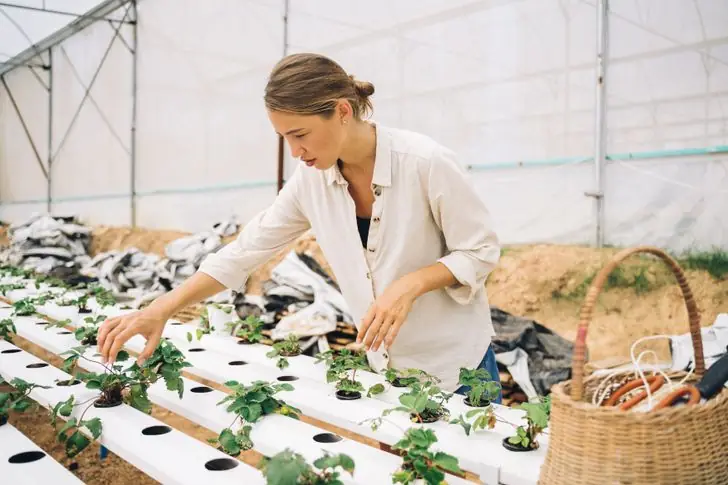
This freedom opens the door to an enormous range of options rarely found in supermarkets.
Many gardeners grow heirloom tomatoes known for their rich flavor but unusual appearance. Others experiment with rare peppers, specialty beans, unique melons, or colorful carrots. These varieties often deliver experiences that commercial agriculture cannot easily provide.
Some may look imperfect by supermarket standards. Yet they frequently offer exceptional flavor and character. Gardening turns food into something more personal. Instead of accepting limited choices, growers can cultivate exactly what they enjoy eating.
Home Gardening Offers Greater Food Transparency
Consumers today ask more questions about food than ever before. People want to know where products come from, how they were produced, and what methods were used along the way.
A home garden provides complete transparency. There are no mystery ingredients, hidden treatments, or complicated supply chains to decipher. This level of visibility is especially appealing to people interested in avoiding genetically modified crops. By purchasing heirloom or non-GMO seeds, gardeners can confidently choose the varieties they want to grow.
The result is a clear understanding of a crop’s origins from beginning to end.