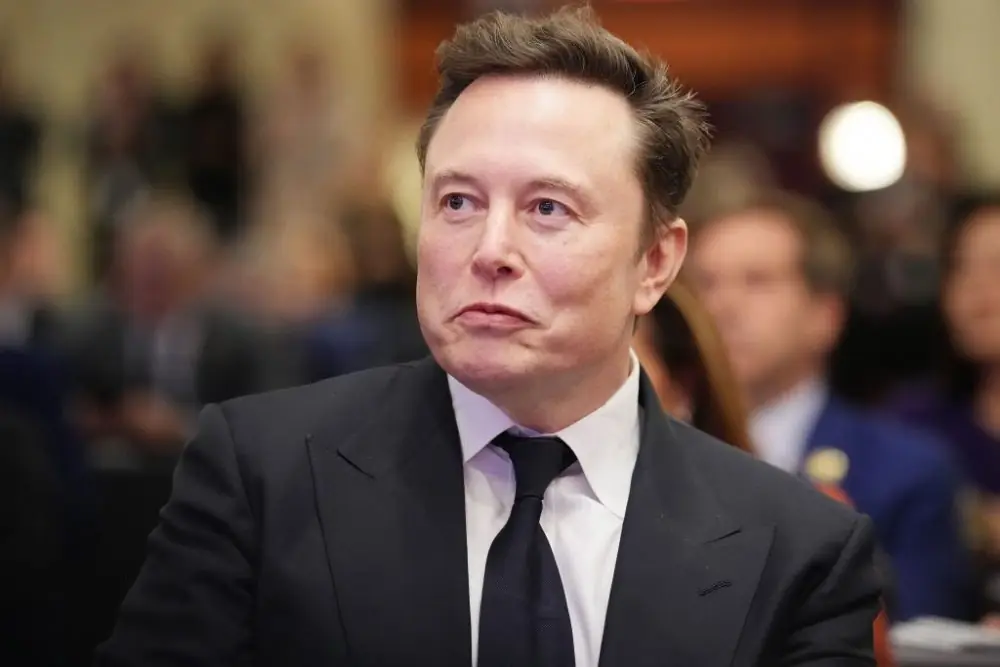
Elon Musk is known for bold claims, but his latest prediction goes far beyond rockets and electric cars. The world’s richest man believes AI and humanoid robots will reshape life so deeply that people will no longer need to work for survival, and money will slowly lose its value. In his view, this shift is not centuries away. He places it within the next 10 to 20 years, driven by rapid breakthroughs in artificial intelligence and robotics.
The idea sounds wild at first, yet Musk speaks about it with remarkable confidence. The Tesla boss sees a future where advanced machines produce so much, so quickly, that society enters an age of abundance. In that world, work becomes a choice, a hobby, or a personal mission. It is no longer a requirement for paying bills or covering basic needs.
The Core Vision of an AI-Powered Economy

He expects this industry to become the largest on the planet. These machines would handle manufacturing, construction, shipping, farming, and even many service jobs. With robots doing most of the labor, production could skyrocket. Goods and services would be cheaper and more plentiful than anything we have seen before.
Musk describes this outcome as a post-scarcity world. It is a place where everyday needs are fully met, not because people work harder, but because machines work nonstop. In this system, a person choosing to work would do so out of interest, not pressure. A job becomes like gardening or playing sports, something people enjoy, not something they must do.
A world with limitless production raises a big question. If robots do everything and everything becomes abundant, what happens to money? Musk argues that money would matter much less. He looks to science fiction, especially Iain M. Banks’ Culture series, which imagines societies run by super-intelligent AI where traditional currency disappears.
The billionaire believes that if goods are easy to create, money loses power. The only real limits become natural resources like energy and physical materials.
To help people adjust to this new world, Musk mentions the idea of a universal high income. It is similar to a universal basic income, but he keeps the details vague. The main idea is that everyone receives enough to live comfortably during the transition. This would give society time to adapt as the old system fades and a new one takes shape.
The Mechanism Behind Musk’s Forecast
He argues that if robots sharply increase productivity, the economy can grow faster than the debt grows. This would create deflation, making goods cheaper and easing cost pressures.
Musk believes these deflationary effects will start to appear within three years. As productivity rises, inflation cools, and the value of debt becomes easier to manage. Musk says this could eventually break the tight link between money, work, and survival. In other words, the old system would slowly lose its grip as a new one takes hold.
His economic idea is simple. If machines can do almost everything and do it faster and cheaper, the whole foundation of today’s economy shifts. Supply would explode. Scarcity would shrink. The rules of money would no longer hold. Musk sees this as a natural outcome of unstoppable technological momentum.