The current state of the global energy market is one of extreme dislocation and stress. Futures prices like Brent and WTI still hover near $100 per barrel, but that number hides the real story. The physical market, where actual barrels change hands, is under serious pressure. Buyers who need oil right now are paying close to $150 per barrel, and that number keeps climbing.
This split between paper prices and real cargo costs shows something deeper than normal volatility. It points to a supply crunch that cannot be solved quickly. Traders can bet on future delivery all they want, but refiners need crude today. When supply tightens this much, the physical market tells the truth faster than any financial benchmark.
Strait of Hormuz Blockade Sparks Supply Panic
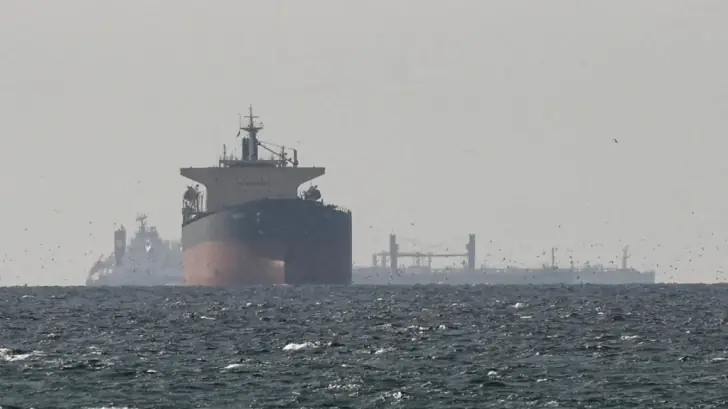
A U.S. naval blockade, triggered by failed talks with Iran, has slowed tanker traffic to a trickle. What used to be a steady flow of ships has dropped to just a handful each day.
That sudden drop has caused a scramble across Europe and Asia. Refiners are racing to secure any available crude outside the Middle East. North Sea and African oil grades have become hot property overnight. Prices for these alternatives have jumped sharply as buyers compete for limited supply, pushing physical oil prices to levels not seen in years.
However, the impact is no longer limited to crude oil. The shortage is now hitting refined products, and the effects are spreading fast. Jet fuel prices in Europe are nearing $200 per barrel, which is roughly double what they were before the crisis. Diesel is also climbing, with prices reaching around $170 per barrel as supply tightens.
This situation is starting to strain key industries. Airports across Europe rely heavily on Middle Eastern fuel imports, and those flows are now disrupted. Some experts warn that airports could face fuel shortages within weeks if the situation continues.
Market Signals Turn Strange Under Pressure
This shift rarely happens and signals a major change in how the market values access and security of supply. WTI, tied to U.S. production, now looks safer and more reliable than seaborne crude.
Brent-linked oil, especially from the Gulf, now carries extra risk. Insurance costs have surged, and shipping routes are uncertain. Buyers are factoring in these risks, which lowers demand for those barrels despite the global shortage.
Will Prices Keep Climbing or Cool Off?
Many analysts believe the pressure will not ease soon. If the blockade continues, oil prices could move even higher. Some forecasts suggest Brent could reach $160 to $190 per barrel in the coming weeks. Others warn that a prolonged crisis could push prices as high as $200, especially if supply gaps widen further.
At the same time, the futures market tells a different story. Prices for later delivery are significantly lower than current spot prices. This pattern suggests traders expect the crisis to ease over time. Investors seem to believe that supply will recover, even if the short-term outlook remains tense and unpredictable.
Right now, the oil market is reacting to headlines rather than long-term trends. Political decisions, military actions, and shipping disruptions are shaping prices more than traditional supply and demand data. This creates a volatile environment where prices can swing quickly based on new developments.
The current supply gap is estimated at around 10 million barrels per day, which is far too large to fix quickly. There is no easy replacement for lost Middle Eastern supply. Until the Strait of Hormuz reopens fully, or alternative routes scale up, the market will remain under pressure.